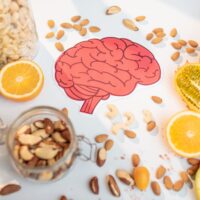
A drawing of a brain with health foods surrounding it

How to Maintain a Healthy Brain

Published

The risk of cognitive decline and dementia increases with age. And while age is the biggest risk factor, and genetics also play a part, there is increasing evidence for a link between dementia and lifestyle habits. So, rather than seeing declining cognitive function as an inevitable part of ageing, we should consider our brain health


Gut Microbiome

Your Gut Microbiome and Health

Published

The gut microbiome is the community of over 100 trillion microorganisms that live in our gut—mainly bacteria, but also viruses and fungi. They perform a wide range of important functions, many of which we don’t yet fully understand. This includes the digestion of food, the synthesis and absorption of nutrients, the development and regulation of

Home Medicine Reviews

Published

The Home Medicines Review (HMR) is a Medicare funded service. It involves an accredited pharmacist visiting you at home to review your current medications and to make sure you are taking them correctly. This can help to ensure you are getting the full benefit from the medications your doctor has prescribed and can help to

Eating on a healthy budget

Healthy Eating on a Budget

Published

With food costs increasing, you may be paying more attention to what you put in your trolley and how to spend your food dollars. The good news is that you can still eat well without breaking the bank. Here are a few tips to keep both your body and your budget healthy: Plan your meals

Eating disorders in children – what to look out for

Published

Eating disorders are a complex mental issue which also impact physical health. They can develop at any age, but most commonly begin during adolescence. While eating disorders are more common in girls, boys can develop them too and they often take longer to be diagnosed. There are many types of eating disorder including anorexia nervosa,

Hypothyroidism: symptoms, causes and treatment

Published

Hypothyroidism, or an underactive thyroid, occurs when your thyroid gland doesn’t make enough thyroid hormone. Your thyroid gland is found in your neck, at the base of your throat. It produces hormones (called tri-iodothyronine and thyroxine, or T3 and T4 for short) that help to regulate many of the body’s metabolic processes. Common symptoms of

A hand showing Chillblains

Chilblains: symptoms, causes and how to reduce your risk

Published

Chilblains are itchy, swollen and painful lumps on the skin that form after exposure to the cold. They are caused by changes in the blood vessels in response to the cold. Chilblains most commonly affect the fingers and toes but can also occur on the nose and earlobes. Symptoms of chilblains include: red, blue or

Feature Article: 10 tips for reducing your risk of falls

Published

Falls can happen at any age but are more common as we get older. Falls can cause serious injury, a loss of confidence due to fear of falling, and reduced independence. In Australia, falls are the most common injury requiring hospitalisation. In 2018-2019, 43% of injuries requiring hospitalisation and 39% of injury-related deaths were because

Understanding fertility treatment

Published

Around one in six Australian couples have problems with fertility. Infertility is diagnosed when a couple has been unable to fall pregnant after having regular unprotected intercourse for a year. There are many causes of infertility, including problems with ovulation (the release of an egg from a woman’s ovary), fertilisation by a man’s sperm and

What you need to know about testicular cancer 

Published

Testicular cancer is cancer that develops in one or both testicles. In most cases, only one testicle is affected. It is estimated that 980 Australian men were diagnosed with testicular cancer in 2021, making up about 1.2% of all new cases of cancer diagnosed in men. It most commonly occurs in men aged 25–40 years.


Website by Your Health GP Marketing. Copyright © 2019.