
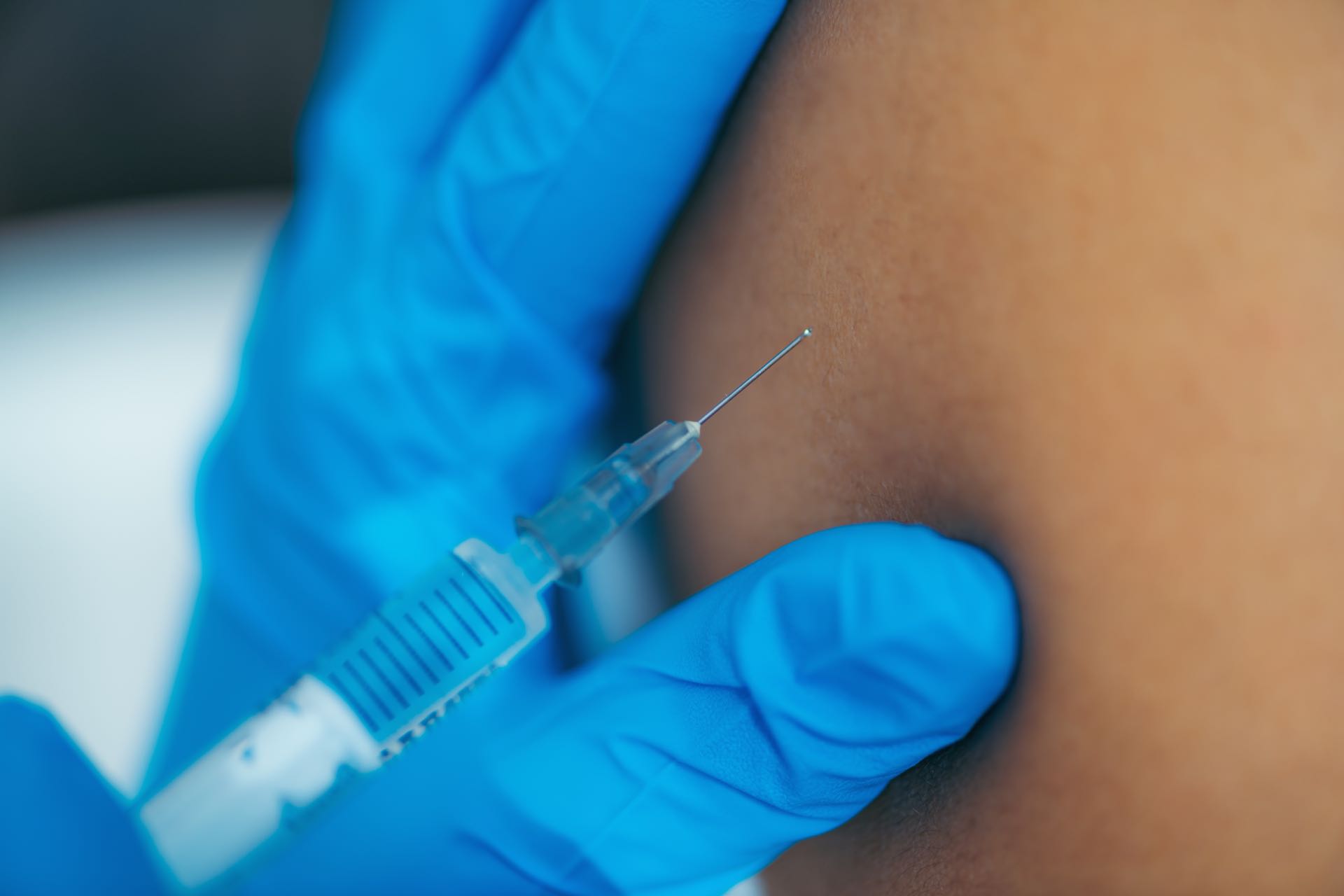
Vaccines are designed to prevent or reduce the severity of infectious diseases caused by viruses or bacteria. They work by stimulating the immune system to produce an immune response against the virus or bacteria, without actually causing the disease itself.
Most vaccines contain a weakened or inactivated form of the virus or bacteria, or a small piece of it. When you have a vaccine, your immune system recognises the foreign substance in the vaccine as an invader and produces an immune response against it. Many vaccines also contain an adjuvant, which helps the body to create a stronger immune response.
The immune response to a vaccine involves the production of antibodies, which are specialised proteins that can recognise and neutralise the virus or bacteria. Your immune system also produces memory cells, which "remember" how to produce antibodies against the virus or bacteria if you encounter it in the future. Essentially, your body is trained to recognise and fight off the virus or bacteria if you come across it again in the future, and this can prevent you from getting sick or reduce the severity of the illness if you do get infected.
Vaccines have been used successfully for many years to prevent a wide range of infectious diseases, including measles, polio, influenza (the ‘flu’), and more recently, COVID-19. Vaccination is considered one of the most effective ways to prevent the spread of infectious diseases and protect public health.
Vaccines have several benefits – they can:
protect against serious and potentially life-threatening diseases, such as measles, polio, and meningitis.
protect people who are particularly vulnerable to disease, such as infants, elderly people, and individuals with weakened immune systems.
help to prevent of outbreaks and epidemics by reducing the spread of infectious diseases when a high proportion of a population is vaccinated.
prevent diseases and their associated healthcare costs, making them a cost-effective option.
contribute to the development of herd immunity, where a high proportion of a population is immune to a disease, protecting even those who are not vaccinated.
Like all medical interventions, vaccines can have risks as well as benefits. Symptoms of soreness at the injection site, fever and fatigue are common but usually mild and temporary. More serious side effects, including severe allergic reactions, are rare.
In most cases, the risks associated with vaccines are very low and are usually outweighed by the benefits of vaccination, particularly for vaccine-preventable diseases that can cause serious harm or death.
For more information: Download a free booklet from the Australian Academy of Science which answers common questions about vaccination: https://www.science.org.au/education/immunisation-climate-change-genetic-modification/science-immunisation
References:
https://www.health.gov.au/topics/immunisation
https://www.tga.gov.au/vaccines-overview
https://www.science.org.au/education/immunisation-climate-change-genetic-modification/science-immunisation