
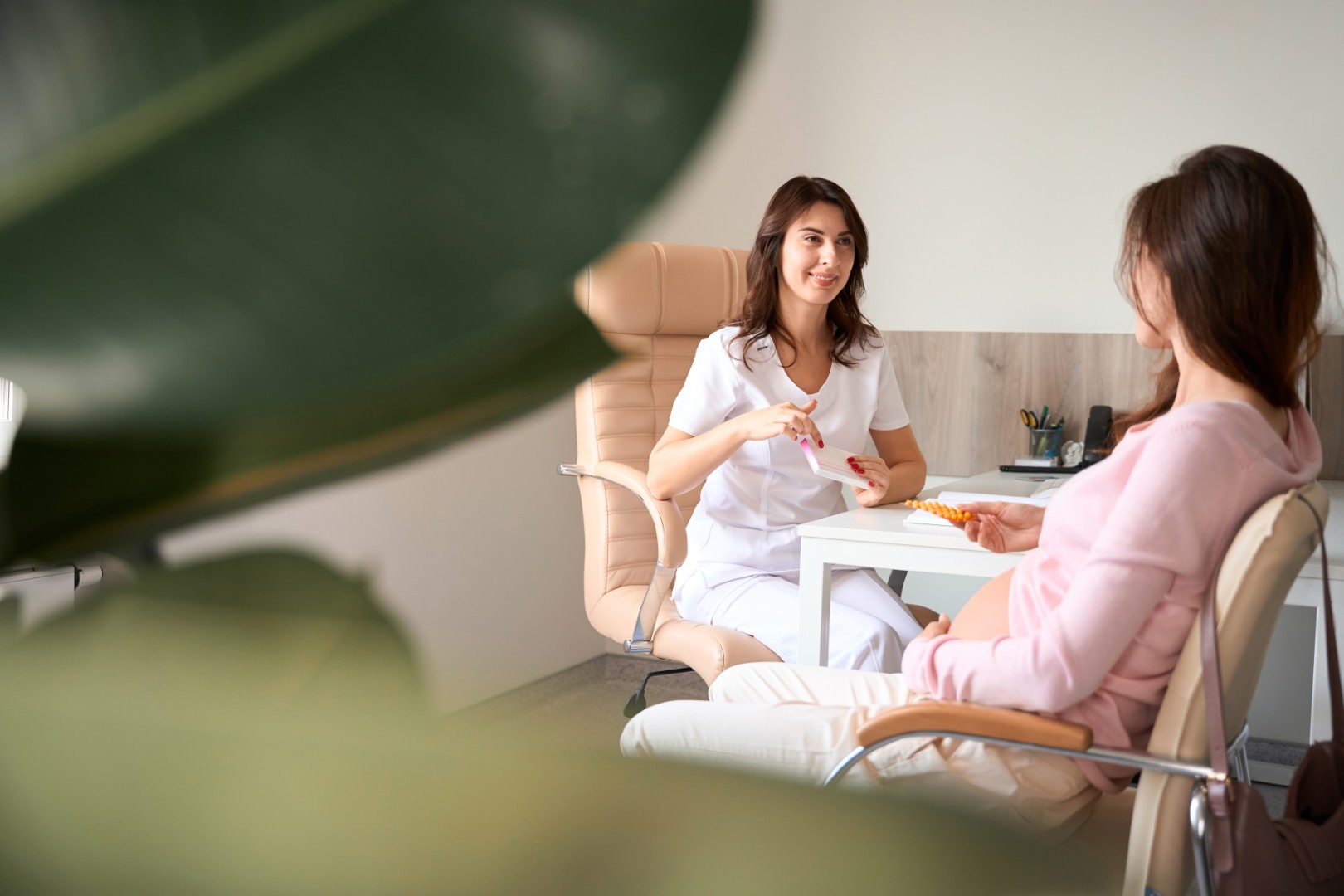
Midlife changes in weight, skin and hair are common, but they are not always caused by menopause. Understanding the overlap can help women seek the right assessment rather than dismissing every symptom as hormonal.
By Dr Wes Abujalala MBBS, Dip Derm, FACRRM | Holistica Health
The hormonal transition affects more than periods
Perimenopause is the transition leading up to menopause. During this time, ovarian hormone production becomes less predictable, periods often change and symptoms such as hot flushes, disrupted sleep and mood changes may appear. Menopause is reached after 12 consecutive months without a menstrual period, when there is no other cause. In Australia, natural menopause most commonly occurs between 45 and 55 years of age.
Oestrogen receptors are found in many tissues, including fat, muscle, skin and hair follicles. As oestrogen fluctuates and then remains lower, women may notice changes in body composition, skin hydration and hair density. Ageing, genetics, sun exposure, stress, illness, nutrition, medicines and daily habits are also important. The timing can make a change look purely hormonal when several factors are operating together.
Why weight and body shape may change
Many women report that weight is easier to gain and harder to lose in midlife. Ageing contributes to a gradual reduction in muscle mass and energy expenditure, while poor sleep, fatigue, stress and less incidental movement can shift the balance between energy intake and use. The menopausal transition may also favour a redistribution of fat towards the abdomen, even when the change on the scales is modest. This increase in visceral fat matters because it is associated with cardiometabolic risks such as insulin resistance, type 2 diabetes and cardiovascular disease.
Menopause does not remove the basic principles of weight management, but it can change what deserves attention. Regular resistance training helps preserve muscle and bone, while aerobic activity supports cardiovascular health. Adequate protein, fibre-rich foods, a sustainable eating pattern, sleep and moderation of alcohol are more useful than a short restrictive diet. Waist circumference, blood pressure, glucose, lipids and overall body composition may tell a more meaningful story than weight alone.
At Holistica Health, we do not recommend GLP-1 medicines as an automatic first-line response to perimenopausal weight changes; we first assess hormonal and other medical contributors and review nutrition, physical activity and sleep. Where indicated, medication may complement this care, without requiring hormone therapy first.
If weight gain is rapid, unexplained or affecting health, assessment can look beyond menopause. Holistica Health’s online medical weight-loss service provides GP-led assessment and personalised weight-management support across Australia. Where clinically appropriate, this may include investigation of metabolic contributors, nutrition and activity planning, and discussion of evidence-based treatment options. Prescription treatment is never automatic and requires an individual medical assessment.
Why skin can become drier or more reactive
Lower oestrogen can reduce the skin’s production of collagen, sebum, ceramides and hyaluronic acid. The result may be dryness, itching, reduced elasticity, fine wrinkling, easier bruising or slower healing. These changes are often most noticeable on the face and lower legs. Cumulative ultraviolet exposure and smoking can compound collagen loss, which is why menopause is only part of the skin-ageing picture.
Hormonal shifts can affect inflammatory and pigmentary conditions as well. Some women develop adult acne as the balance between oestrogen and androgens changes. Hormonal acne can include deep, painful cysts, but this does not automatically mean isotretinoin is required; treatment should be guided by severity, scarring risk and response to other therapies. Menopausal flushing can aggravate rosacea, and changes in a skincare routine may trigger irritant dermatitis. Pigmentation is influenced by hormones, but also by sunlight, inflammation and individual skin type. Menopausal hormone therapy may affect some skin conditions, yet it should be prescribed for an appropriate overall indication after a benefits-and-risks discussion, not simply as a cosmetic treatment.
A useful starting routine is gentle: a soap-free cleanser, a fragrance-free moisturiser and broad-spectrum SPF 50 or higher each morning. Introduce active products slowly, particularly retinoids or exfoliating acids, because drier midlife skin may tolerate them differently. A new or changing pigmented lesion, persistent ulcer, rapidly spreading rash or unexplained bruising needs an in-person examination rather than cosmetic treatment alone.
For suitable concerns such as acne, eczema, rosacea, dermatitis and some pigmentation problems, Holistica Health’s online dermatology consultations offer an accessible first assessment with AHPRA-registered GPs who hold dermatology qualifications. Telehealth is not appropriate for every lesion, and patients are referred for face-to-face examination or biopsy when required.
Why scalp hair may thin while facial hair increases
Hair changes can feel contradictory. Scalp hair may become finer or less dense, particularly over the part and crown, while coarse hairs become more noticeable on the chin or upper lip. One reason is the changing balance between oestrogen and androgens. Female pattern hair loss may first become apparent or progress around menopause, but hormones are not the only explanation.
Diffuse shedding can also follow illness, surgery, severe stress, rapid weight loss or inadequate protein and iron intake. Thyroid disease, iron deficiency, some medicines and inflammatory scalp disorders may produce a similar complaint. A careful history should ask whether the problem is shedding, breakage, widening of the part or distinct patches, and whether there is scalp itch, scale, pain or redness. Blood tests may be useful when the pattern or history suggests an underlying contributor.
Prompt assessment is especially important if hair loss is sudden, patchy or associated with scalp inflammation or scarring. A receding frontotemporal hairline with eyebrow loss can suggest frontal fibrosing alopecia, a scarring condition seen particularly around and after menopause. Early diagnosis matters because treatment aims to prevent further permanent loss.
Management depends on the diagnosis rather than on menopause alone. Holistica Health’s online hair-loss service can assess common patterns of shedding and thinning, arrange relevant investigations and discuss suitable evidence-based options. Some presentations will still require an in-person scalp examination, dermoscopy or specialist referral.
When changes should not be dismissed as menopause
Weight, skin and hair changes can cluster during perimenopause, but a shared time frame does not prove a shared cause. Thyroid dysfunction can affect weight, skin and hair simultaneously. Iron deficiency may contribute to fatigue, itch and shedding. Polycystic ovary syndrome, nutritional deficiencies, autoimmune disease, sleep disorders, depression, medicines and major life stressors may also be relevant.
Seek medical review when symptoms are rapid, severe, persistent or accompanied by other changes such as marked fatigue, muscle weakness, palpitations, bowel changes, unexplained bleeding or a significant alteration in menstrual pattern. Any bleeding after menopause requires medical assessment. A clinician can decide whether the presentation fits the menopausal transition, whether tests are warranted and which treatment options are safe in the context of personal and family history.
What to prepare for a medical appointment
A short record can make the first assessment more productive. Note when each change began, whether it was gradual or sudden, how menstrual cycles have altered, and whether hot flushes, poor sleep or mood symptoms occurred at the same time. For weight concerns, record the trend rather than a single measurement and include any recent change in activity, alcohol intake, appetite or medication. For skin or hair concerns, dated photographs taken in similar lighting can help show progression.
Bring an up-to-date medication and supplement list, relevant family history and the results of any recent blood tests. Depending on the presentation, a clinician may consider thyroid function, iron stores, blood count, glucose, lipids or selected nutritional tests. Broad hormone panels are not automatically useful: in many women over 45, perimenopause is identified from symptoms and menstrual history rather than a single fluctuating hormone result. Testing should be guided by the clinical question.
It is also worth naming the outcome that matters most. That may be reducing cardiometabolic risk, stopping troublesome shedding, treating an inflammatory skin condition or simply understanding what is normal. Clear priorities help avoid an expensive collection of products or tests that do not address the underlying problem.
A joined-up approach is often more useful
Treating each concern in isolation can miss the way sleep, stress, nutrition, metabolic health and skin or hair symptoms interact. The most useful plan starts with the diagnosis, sets realistic priorities and combines everyday measures with targeted treatment where appropriate. It should also recognise that the goal is not to medicalise normal ageing, but to identify treatable problems and reduce longer-term health risks.
At Holistica Health, women can access Australia-wide telehealth assessment for weight management, common dermatological concerns and hair loss. If a concern cannot be assessed safely online, the appropriate next step is an in-person examination or specialist referral.
About the author
Dr Wes Abujalala, MBBS, Dip Derm, FACRRM, is an AHPRA-registered specialist general practitioner and the founder and Telehealth Director of Holistica Health. He has more than 19 years of clinical experience, with professional interests including telehealth, dermatology, medical weight management and hair loss.
Medical disclaimer
This article provides general health information only and is not a substitute for individual medical advice, diagnosis or treatment. Treatment suitability and outcomes vary. Some symptoms and skin or hair changes require face-to-face examination or specialist assessment.
Sources
- Healthdirect Australia. Post menopause. Last reviewed November 2025.
- Australasian Menopause Society. Weight management and healthy ageing.
- DermNet. Menopause and the skin. Last reviewed October 2024.
- Proietto J. Obesity and weight management at menopause. Australian Family Physician. 2017;46(6).
- Zouboulis CC et al. Skin, hair and beyond: the impact of menopause. Climacteric. 2022;25(5):434–442.