
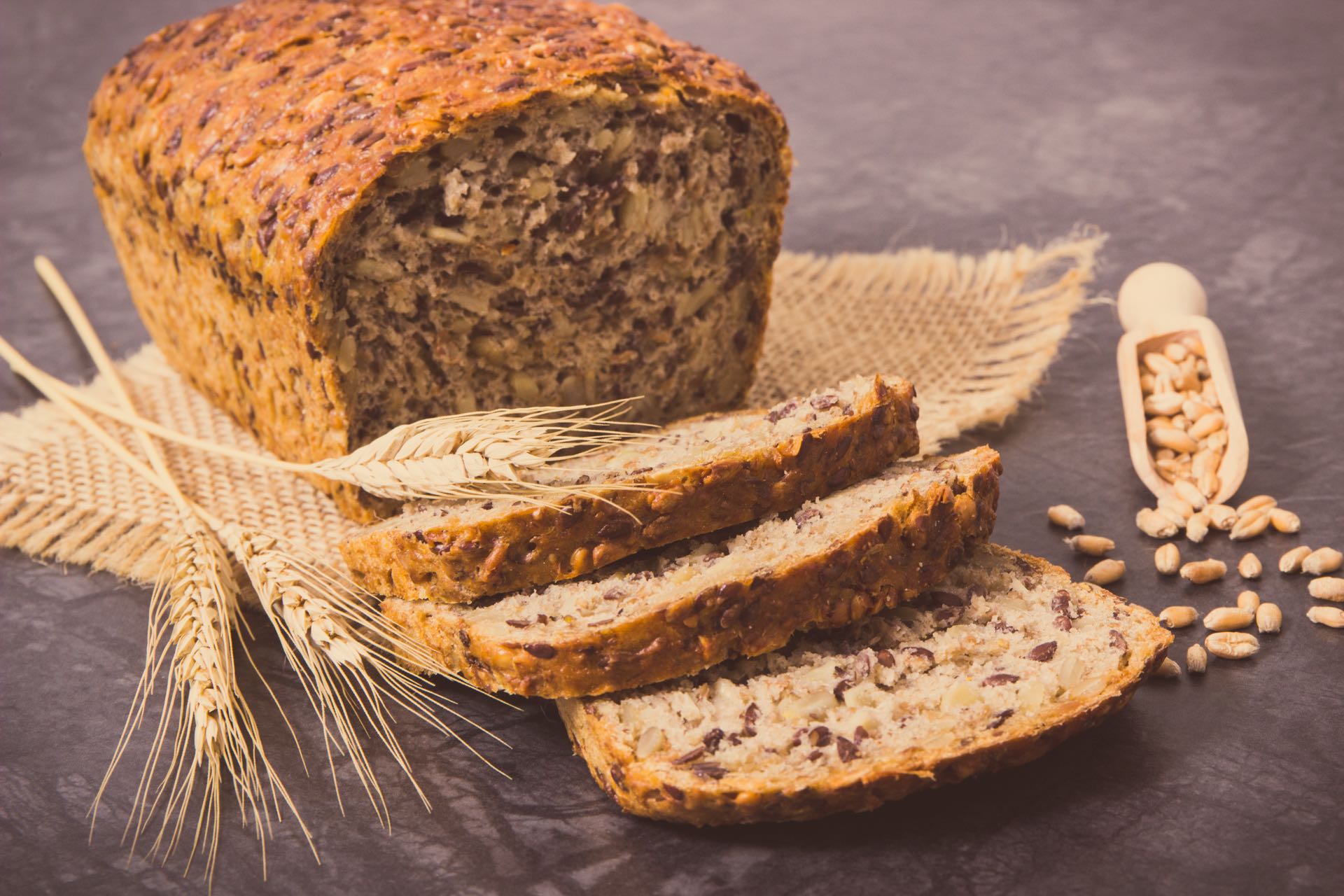
Fibre is the part of food that is not digested in the stomach or small intestine. It is found only in plant foods including breads, cereals, grains, fruit, vegetables, legumes, nuts and seeds. Fibre is actually a type of carbohydrate, but unlike starches and sugars, it is in a form that your body can’t digest or absorb.
Fibre in foods comes in several forms:
Soluble Fibre includes pectins, gums and mucilage, which are found mainly in plant cells. Good sources include legumes, oats, oat bran, barley, psyllium, flaxseed and some fruits and vegetables. This type of fibre can help to control blood glucose levels by slowing down the rate of digestion of food and can also help to lower cholesterol levels.
Insoluble Fibre includes cellulose, hemicelluloses and lignin, which make up the structural parts of plant cell walls. Good sources include wholegrain foods, skins of fruits and vegetables, nuts, seeds and wheat bran. This type of fibre adds bulk to stools, helping to keep us regular and preventing constipation and associated problems such as haemorrhoids. It also helps to reduce the risk of bowel cancer.
Resistant starch is the part of starchy food that resists normal digestion. It is not a fibre in the traditional sense, but acts in a similar way and has been shown to have benefits for gut health. Bacteria in the large bowel ferment and change the resistant starch into short-chain fatty acids, which keep the lining of the bowel healthy and may protect against digestive diseases and some types of cancer. Resistance starch is found in many unprocessed cereals and grains, firm bananas, legumes, nuts and seeds, and cooked and cooled potatoes, rice and pasta.
Fibre is important for everyone. Eating a diet high in fibre can help with appetite regulation, digestive health, improving insulin sensitivity and lowering blood fats. A high fibre diet may also protect against heart disease, type 2 diabetes and some types of cancer.
However, most Australians don’t consume enough fibre. In fact, the average Australian adult consumes around 21g of fibre each day. The recommended intake for adults is at least 25g per day for women and 30g per day men. And even higher amounts have been recommended to reduce chronic disease risk – 28g/day for women and 38g/day for men.
To ensure you get enough fibre in your diet, aim to eat:
at least 5 serves of vegetables and salads each day
at least 2 serves of fruit each day
at least 4 serves of wholegrain foods each day, such as oats, barley, quinoa, freekeh, brown rice, wholemeal or wholegrain pasta and wholegrain breads and cereals
a handful of nuts and seeds most days
legumes (such as dried beans, peas, and lentils) at least a few times per week (daily if you follow a vegetarian or vegan diet)
When increasing fibre intake, it is not uncommon to have problems with wind, bloating and discomfort as your body adapts to a higher fibre intake. You can minimise these side effects by increasing your intake gradually and making sure you drink plenty of water.
References:
https://www.healthdirect.gov.au/high-fibre-foods-and-diet
Barber TM, Kabisch S, Pfeiffer AFH, Weickert MO. The Health Benefits of Dietary Fibre. Nutrients. 2020 Oct 21;12(10):3209. doi: 10.3390/nu12103209. PMID: 33096647; PMCID: PMC7589116.
Fayet-Moore F, Cassettari T, Tuck K, McConnell A, Petocz P. Dietary Fibre Intake in Australia. Paper I: Associations with Demographic, Socio-Economic, and Anthropometric Factors. Nutrients. 2018 May 11;10(5):599. doi: 10.3390/nu10050599. PMID: 29751656; PMCID: PMC5986479.