
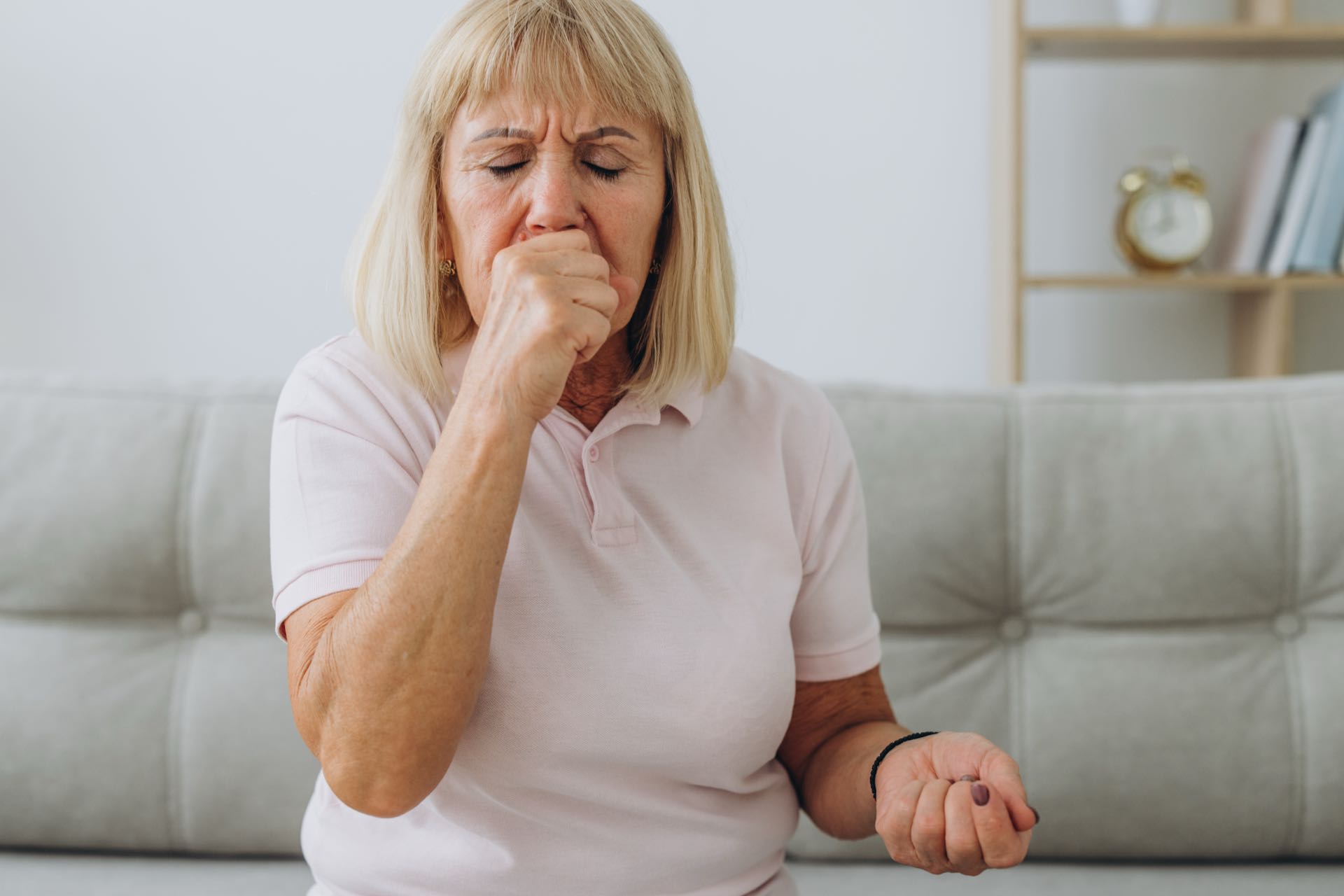
Pneumonia is an infection of the lungs caused by bacteria, viruses or sometime fungi. It often develops after someone has been sick with a cold or the flu, as the cold or flu virus can get into the lungs.
In some people, pneumonia can be a mild illness. For others, particularly babies, young children and people older than 60, it can be a serious and life-threatening condition. If you, or someone you are caring for, have symptoms of pneumonia, it is important to see your doctor as soon as possible.
The most common symptoms of pneumonia include:
a cough
fever
difficulty breathing, rapid breathing (especially in young children) or shortness of breath
fatigue
loss of appetite
chest pain
Anyone can develop pneumonia, but some people are at higher risk, including:
babies and young children
people over 65 years
people with medical conditions, such as diabetes, cancer or chronic diseases affecting the lungs, heart, kidney or liver
people with weak immune systems or who are taking medicines that suppress their immune systems
Aboriginal and Torres Strait Islander people
people who smoke
Bacterial pneumonia is treated with antibiotics, but antibiotics won’t help with viral pneumonia. Other treatments include getting plenty of rest, drinking lots of fluids, taking paracetamol for pain and fever, and not smoking. Babies, young children and older people will usually need hospitalisation, but other people with milder illness will often be able to recover at home.
The pneumococcal vaccine can protect against one of the most common types of bacterial pneumonia, pneumococcal pneumonia, which is caused by infection with Streptococcus pneumoniae. The vaccine is recommended at ages 2, 4 and 12 months, over 65 (or over 50 if you are Aboriginal or Torres Strait Islander) and at any age if you have a medical condition that puts you at risk of pneumococcal disease. The vaccine is free if you belong to one of these groups and are eligible for Medicare benefits in Australia. For everyone else who has the vaccine, there is a cost.
You can also reduce your risk by practising good hand and home hygiene to prevent the spread of germs and not smoking. Since pneumonia often occurs after being unwell with the flu, having the influenza vaccine can also reduce your risk.
For more information:
Find out more about the pneumococcal vaccine and whether you are eligible for a free vaccine by visiting https://www.health.gov.au/health-topics/immunisation/immunisation-throughout-life/national-immunisation-program-schedule
References:
https://www.healthdirect.gov.au/pneumonia
https://lungfoundation.com.au/patients-carers/living-with-a-lung-disease/other-lung-conditions/pneumonia/
https://www.health.gov.au/health-topics/immunisation/immunisation-throughout-life/national-immunisation-program-schedule