
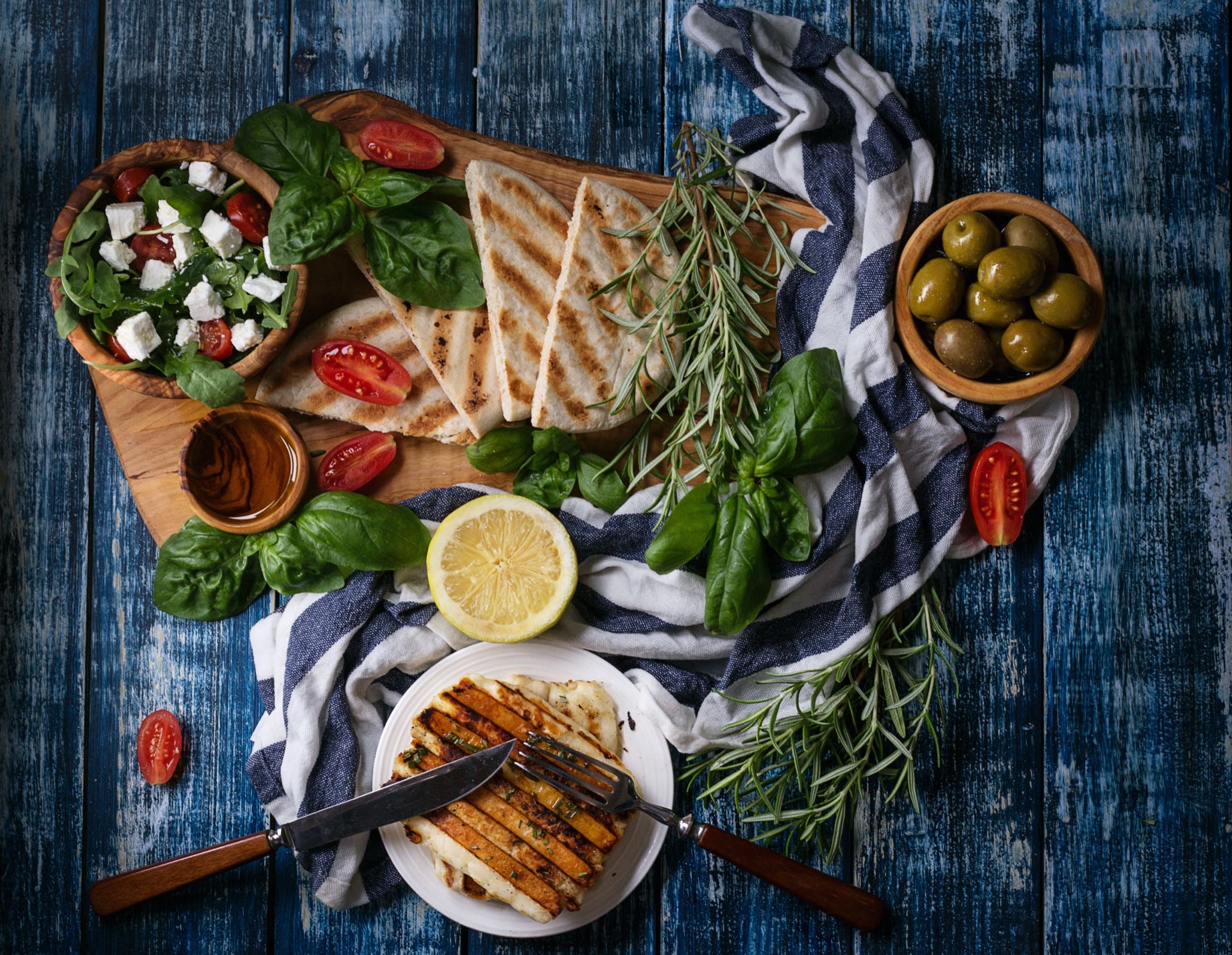
It is something we often overlook, but what we eat can have a powerful effect on our mood. In fact, a study by Australian researchers has shown that a healthy diet can reduce symptoms of depression.
The SMILES (Supporting the Modification of Lifestyle in Lowered Emotional States) trial set out to look at the impact of dietary intervention in the treatment of moderate to severe depression. Study participants were randomly assigned to either a dietary intervention group or a control group, who were provided with social support.
After three months, participants in the dietary intervention group had a much greater reduction in their depressive symptoms, compared to those in the social support group. Almost one third of those who made dietary changes achieved remission of their depressive symptoms, compared to only 8% of the control group. Importantly, those who improved their diet the most experienced the greatest benefit to their depression.
So, what should you eat to improve your mood?
Named the ModiMedDiet, the study diet was a modified Mediterranean diet, based on the Australian Dietary guidelines and the Dietary Guidelines for Adults in Greece. The diet is rich in vegetables, fruit and whole grains with fats coming from oily fish, olive oil, legumes and raw unsalted nuts. Moderate amounts of lean read meat and reduced fat dairy are also allowed. The main focus of the diet is on increasing diet quality while reducing intake of energy dense, nutrient poor foods.
The diet encourages eating the following foods:
whole grains (5-8 servings per day)
vegetables (6 servings per day)
fruit (3 servings per day)
legumes (3-4 servings per week)
low-fat and unsweetened dairy foods (2-3 servings per day)
raw and unsalted nuts (1 serving per day)
fish (at least 2 servings per week)
lean red meats (3-4 servings per week)
chicken (2-3 servings per week)
eggs (up to 6 per week)
olive oil (3 tablespoons per day)
So-called ‘discretionary’ foods are limited to no more than three times per week – this includes sweets, refined cereals, fried food, fast-food, processed meats and sugary drinks. Up to two glasses of wine is allowed, preferably red, and should only be drunk with meals. All other alcohol is included within the discretionary food limits.
For more information:
Visit Deakin University’s Food and Mood Centre https://foodandmoodcentre.com.au/
Enrol in the Deakin University free online course: Food and Mood: Improving Mental Health Through Diet and Nutrition available at https://www.futurelearn.com/courses/food-and-mood
References:
Jacka, F.N., O’Neil, A., Opie, R. et al. A randomised controlled trial of dietary improvement for adults with major depression (the ‘SMILES’ trial). BMC Med 15, 23 (2017). https://doi.org/10.1186/s12916-017-0791-y
https://foodandmoodcentre.com.au/smiles-trial/